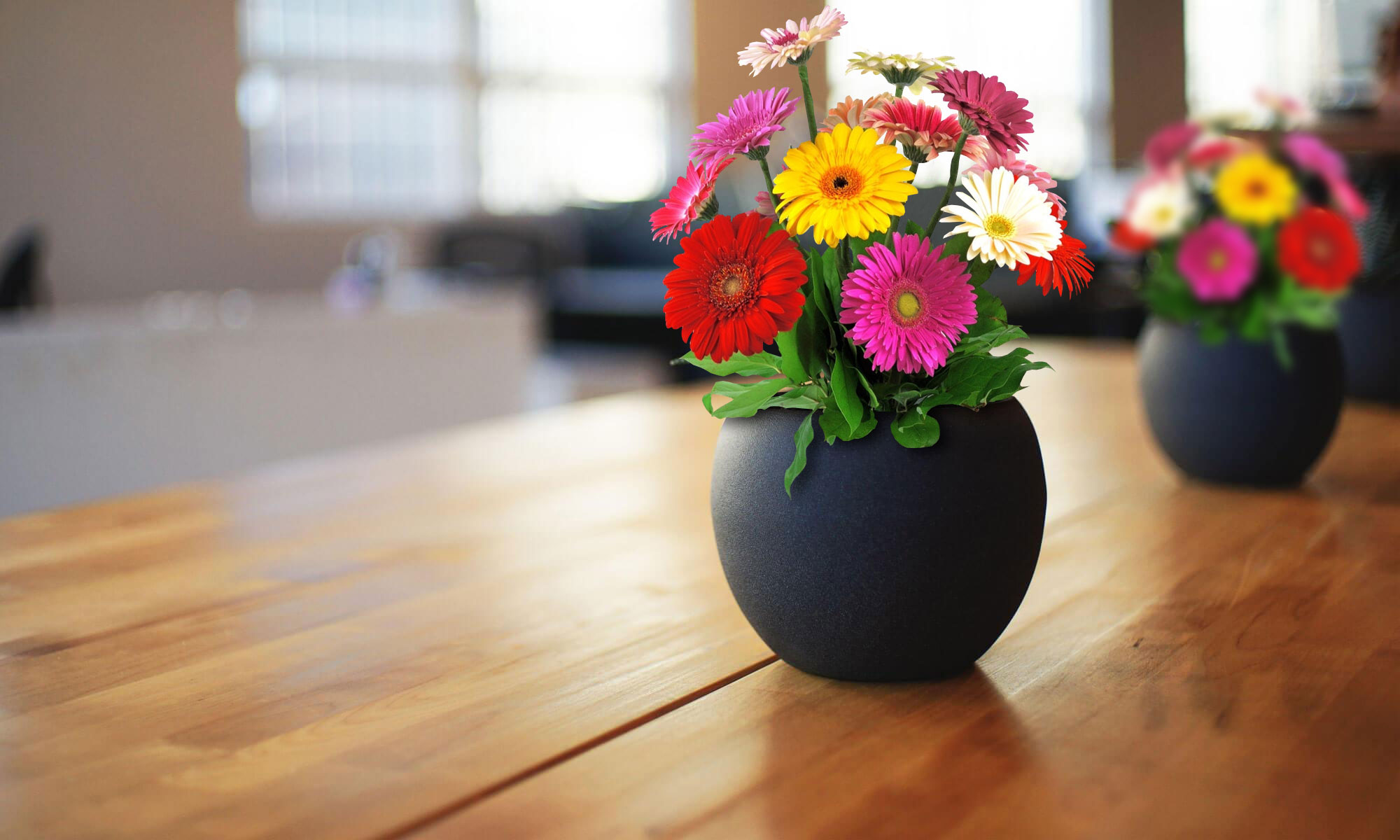
- Elegant artistry within pavilion88 shapes immersive spaces and unforgettable moments
- The Art of Spatial Storytelling
- The Impact of Lighting Design
- The Role of Texture and Materiality
- Sustainable Material Choices
- The Integration of Art and Sculpture
- The Power of Commissioned Artwork
- Designing for Emotional Wellbeing
- Expanding Horizons: The Future of Immersive Design
Elegant artistry within pavilion88 shapes immersive spaces and unforgettable moments
The concept of creating truly immersive spaces is a cornerstone of modern design, and few entities embody this principle as elegantly as pavilion88. This isn't simply about aesthetics, although visual appeal is undeniably important; it's about crafting environments that resonate with people on a deeper level, fostering connection, and transforming ordinary moments into unforgettable experiences. The careful consideration of light, texture, and spatial arrangement, combined with a dedication to artistic detail, defines the approach taken in developing spaces that are both functional and emotionally captivating. The ability to tailor designs to specific needs and visions—whether for a private residence, a corporate event, or a public installation—is what truly sets this approach apart.
In a world increasingly dominated by digital interactions, the need for tangible, sensory experiences is growing. People are seeking opportunities to disconnect from the virtual and reconnect with the physical world around them. Thoughtfully designed spaces play a crucial role in fulfilling this desire, providing opportunities for relaxation, contemplation, and social interaction. The design philosophy behind these environments prioritizes human well-being, recognizing that the spaces we inhabit have a profound impact on our mood, productivity, and overall quality of life. The application of innovative materials and technologies, combined with a timeless appreciation for artistic principles, ensures that these spaces remain both relevant and enduring.
The Art of Spatial Storytelling
Creating compelling spaces isn’t merely about arranging furniture or selecting color palettes; it’s about weaving a narrative that captivates and engages the senses. Successful spatial storytelling begins with a deep understanding of the client’s vision and the intended purpose of the space. What emotions do they want to evoke? What activities will take place within the environment? What message do they want to convey? Answering these questions forms the foundation for a design that is both meaningful and impactful. Beyond functionality, the integration of art, sculpture, and carefully chosen objects adds layers of richness and complexity to the narrative. The seamless blending of form and function ensures that the space not only looks beautiful but also serves its intended purpose with elegance and efficiency. This approach moves beyond simple interior design and ascends to the realm of experiential creation.
The Impact of Lighting Design
Lighting is often described as the jewelry of interior design, and for good reason. It has the power to dramatically alter the mood and atmosphere of a space, highlighting architectural features, and creating focal points. Effective lighting design goes beyond simply providing illumination; it’s about sculpting light to create depth, shadow, and visual interest. Layering different types of lighting – ambient, task, and accent – allows for flexibility and customization, adapting to the changing needs of the space and its occupants. The consideration of color temperature and light intensity is also crucial, as these factors can significantly impact perceptions of warmth, coolness, and overall energy levels. Smart lighting systems provide even greater control, allowing users to adjust the lighting scheme to suit their preferences and activities.
| Ambient Lighting | General Illumination | Provides overall brightness, often diffused. |
| Task Lighting | Specific Activities | Focused light for reading, working, or other tasks. |
| Accent Lighting | Highlighting Features | Draws attention to artwork, architectural details, or decorative elements. |
| Smart Lighting | Customizable Control | Adjustable brightness, color temperature, and scheduling via automation. |
The thoughtful application of lighting strategies elevates a space from simply functional to profoundly atmospheric, enhancing the overall experience for those within it.
The Role of Texture and Materiality
The textures and materials used within a space profoundly influence our sensory experience and emotional response. Warm, natural materials like wood and stone evoke feelings of comfort and groundedness, while sleek, modern materials like glass and metal convey a sense of sophistication and innovation. The interplay of different textures – smooth, rough, polished, matte – adds visual interest and tactile appeal. Selecting materials that are not only aesthetically pleasing but also durable and sustainable is paramount, ensuring that the space remains beautiful and functional for years to come. The consideration of how materials interact with light is also essential, as different surfaces reflect and absorb light in unique ways. A well-curated palette of textures and materials creates a harmonious and inviting atmosphere. The possibilities are endless when considering different weaving techniques for fabrics, the grain of wood, or the variation within natural stone.
Sustainable Material Choices
In an era of increasing environmental awareness, the selection of sustainable materials is no longer a luxury but a necessity. Prioritizing materials that are renewable, recycled, or locally sourced minimizes environmental impact and supports responsible manufacturing practices. Bamboo, cork, reclaimed wood, and recycled glass are just a few examples of sustainable materials that can be incorporated into interior design schemes. Choosing materials with low VOC (volatile organic compound) emissions improves indoor air quality and promotes occupant health. Sustainable design extends beyond material selection to encompass the entire lifecycle of a product, considering its durability, reparability, and eventual recyclability. By making conscious choices about the materials we use, we can create spaces that are both beautiful and environmentally responsible.
- Renewable Materials: Sourced from rapidly replenishing resources.
- Recycled Materials: Utilizing waste products to create new materials.
- Locally Sourced Materials: Reducing transportation costs and supporting local economies.
- Low VOC Emissions: Minimizing harmful chemicals in indoor air.
These choices reflect a commitment to both artistry and environmental stewardship, resulting in a more holistic and responsible design process.
The Integration of Art and Sculpture
Artwork and sculpture are more than just decorative elements; they are integral components of a well-designed space, adding personality, depth, and cultural significance. A carefully curated collection of art can transform an otherwise sterile environment into a stimulating and inspiring setting. The selection of artwork should be guided by the overall design concept and the client’s personal taste, ensuring that the pieces complement and enhance the space. Consideration should be given to the scale, color, and style of the artwork, as well as its placement within the room. Effective art integration often involves creating focal points and establishing visual connections between different elements of the design. Lighting plays a crucial role in showcasing artwork, highlighting its textures and colors. The careful selection of art adds a layer of sophistication and intellectual stimulation.
The Power of Commissioned Artwork
Commissioning a piece of artwork specifically for a space allows for a truly unique and customized design solution. Working directly with an artist enables the client to collaborate on the creative process, ensuring that the piece perfectly reflects their vision and the character of the space. Commissioned artwork can be tailored to the specific dimensions, colors, and themes of the interior, creating a seamless integration. This collaborative approach fosters a deeper connection between the client, the artist, and the space itself. It allows for the exploration of innovative materials and techniques, resulting in a piece that is both beautiful and meaningful. Commissioned pieces often become treasured heirlooms and treasured reminders of the collaboration.
- Initial Consultation: Discussing the client’s vision and requirements.
- Concept Development: Exploring different ideas and sketches.
- Material Selection: Choosing appropriate materials and techniques.
- Artwork Creation: The artist brings the concept to life.
- Installation: Placing the artwork within the space.
This process of collaboration ensures that the final result is a truly unique and personal expression of artistry.
Designing for Emotional Wellbeing
The spaces we inhabit have a profound impact on our emotional wellbeing. A thoughtfully designed environment can promote relaxation, reduce stress, and enhance our overall quality of life. Creating spaces that are both aesthetically pleasing and functionally comfortable is essential for fostering a sense of calm and tranquility. The use of natural light, biophilic design elements (incorporating natural elements like plants and water features), and calming color palettes can all contribute to a more restorative environment. Consideration should also be given to acoustics, minimizing noise pollution and creating a peaceful atmosphere. The integration of comfortable furniture and soft textures adds to the sense of comfort and relaxation. Ultimately, the goal is to create a space that feels like a sanctuary, a place where people can escape from the stresses of daily life and recharge their batteries.
The principles of biophilic design can be expanded to incorporate natural ventilation, views of nature, and the use of natural materials throughout the space. This holistic approach not only enhances emotional wellbeing but also promotes physical health. Providing opportunities for social interaction and creating spaces that encourage a sense of community are also important considerations. Careful consideration of these factors transforms a physical space into an environment that truly supports and nurtures the human spirit.
Expanding Horizons: The Future of Immersive Design
The future of immersive design is poised to be one of even greater personalization and technological integration. We are already seeing the emergence of technologies like virtual and augmented reality, which allow us to experience spaces in entirely new ways. Imagine being able to virtually walk through a design before it’s even built, or to overlay digital information onto our physical surroundings. These advancements will empower designers to create even more engaging and personalized experiences. The interplay between physical and digital realms will blur the lines between reality and illusion, creating spaces that are both tangible and transformative. The integration of smart home technology will allow occupants to customize their environments to suit their individual needs and preferences, creating truly responsive and adaptive spaces.
Consider the potential of using biofeedback sensors to adjust lighting, temperature, and music in response to a person’s emotional state. Or the possibilities of creating responsive surfaces that change color and texture based on user interaction. These innovations will usher in a new era of immersive design, where spaces are not just built but experienced. The core philosophy of pavilion88 — elegant artistry shaping immersive spaces — will continue to guide this evolution, ensuring that technology is used to enhance, not detract from, the human experience.