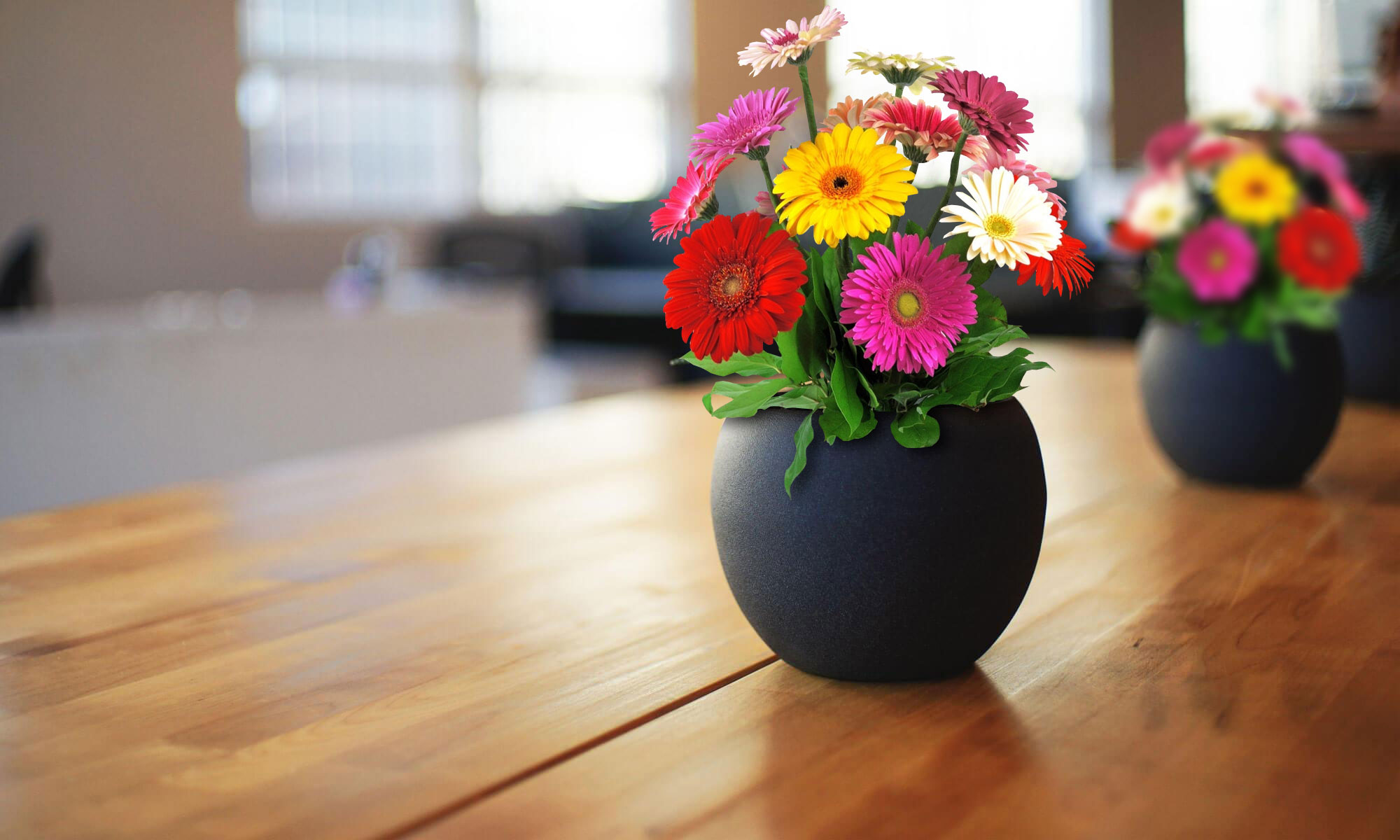
- Elegant interiors featuring pavilion88 redefine luxury and sophisticated home aesthetics seamlessly
- The Philosophy of Refined Interior Design
- The Importance of Natural Light
- The Role of Color and Texture in Creating Ambiance
- Developing a Harmonious Color Palette
- The Importance of Bespoke Design Solutions
- Collaboration and Communication
- The Impact of Lighting on Interior Spaces
- Elevating Daily Life Through Thoughtful Design
Elegant interiors featuring pavilion88 redefine luxury and sophisticated home aesthetics seamlessly
The pursuit of refined living often leads individuals to seek spaces that reflect not only their personal style but also an appreciation for meticulous design and quality craftsmanship. Within this realm, the name pavilion88 has begun to resonate with those who desire an elevated aesthetic in their homes. It represents a commitment to creating interiors that are both visually stunning and inherently comfortable, seamlessly blending form and function. The essence of their approach lies in understanding the subtle nuances of space, light, and texture, transforming houses into havens of tranquility and sophistication.
Modern interiors are constantly evolving, influenced by global trends and a growing desire for personalized environments. As such, the demand for companies that can deliver bespoke design solutions, centered on quality materials and innovative concepts, continues to rise. The focus has shifted from simply filling a space to curating an experience, with an emphasis on creating homes that tell a story and enhance the well-being of those who inhabit them. This trend necessitates a holistic approach to design, one that considers not only the aesthetic appeal but also the practical needs and lifestyle of the homeowner.
The Philosophy of Refined Interior Design
At the heart of thoughtful interior design lies a deep understanding of spatial dynamics. It’s not merely about choosing beautiful objects; it’s about arranging them in a way that fosters flow, harmony, and a sense of calm. A well-designed space should anticipate the needs of its occupants, seamlessly transitioning from one activity to another. This requires careful consideration of furniture placement, lighting schemes, and the overall color palette. The aim is to create an environment that is both visually appealing and functionally efficient, maximizing the use of available space and minimizing clutter. A key element of this philosophy involves selective layering of textures and materials, creating depth and visual interest without overwhelming the senses.
The Importance of Natural Light
Often overlooked, natural light is a cornerstone of exceptional interior design. Its presence dramatically impacts mood, energy levels, and the perceived size of a room. Maximizing natural light often involves strategic window treatments – sheer curtains that diffuse the light without completely blocking it, or skillfully positioned mirrors that reflect and amplify it. The careful selection of paint colors also plays a crucial role; lighter shades tend to reflect more light, making a space feel brighter and more open. Furthermore, incorporating plants can introduce a natural vibrancy, complementing the benefits of sunlight and creating a more inviting atmosphere. The art lies in harnessing natural light to its fullest potential, transforming a space into a warm and welcoming sanctuary.
| Marble | Luxurious, timeless | High (with sealing) | High |
| Oak Wood | Warm, classic | Moderate to High | Moderate |
| Velvet | Rich, opulent | Moderate (requires care) | Moderate to High |
| Linen | Relaxed, natural | Moderate | Moderate |
Choosing the right materials is crucial in achieving a desired aesthetic. The interplay between textures and finishes can dramatically impact the overall feeling of a space. A combination of luxurious materials, such as marble and velvet, can evoke a sense of opulence, while natural elements like wood and linen bring warmth and a sense of grounding. It's imperative to consider the practical aspects of material selection, such as durability and maintenance requirements, to ensure that the design remains beautiful and functional over time.
The Role of Color and Texture in Creating Ambiance
Color is arguably the most powerful tool in an interior designer’s arsenal. It has the ability to evoke emotions, influence mood, and alter the perceived size and shape of a space. Cool colors, such as blues and greens, tend to create a calming and serene atmosphere, while warm colors, like reds and oranges, can inject energy and vibrancy. A neutral color palette provides a versatile foundation, allowing for the incorporation of bolder accents through furniture, artwork, and accessories. Layering different textures adds depth and visual interest, preventing a space from feeling flat or one-dimensional. The interplay between smooth and rough textures, matte and glossy finishes, creates a tactile experience that engages the senses and enhances the overall ambiance.
Developing a Harmonious Color Palette
Creating a cohesive color palette requires careful consideration of undertones and harmonies. It’s often helpful to start with a neutral base and then introduce accent colors that complement or contrast with it. Using a color wheel can be a valuable tool in identifying harmonious combinations. Monochromatic schemes, which involve varying shades of a single color, can create a sophisticated and unified look. Analogous schemes, which combine colors that are adjacent to each other on the color wheel, offer a more nuanced and subtle approach. The key is to experiment and find a palette that reflects your personal style and complements the architectural features of the space. Don’t be afraid to incorporate unexpected pops of color to add personality and visual interest.
- Prioritize quality over quantity when selecting furnishings.
- Invest in timeless pieces that will endure stylistic shifts.
- Consider the scale of furniture in relation to the size of the room.
- Don’t be afraid to mix and match styles to create an eclectic look.
- Pay attention to the details – accessories, artwork, and lighting can make a significant difference.
Thoughtful accessorizing is the final layer in completing a well-designed interior. Accessories should complement the overall aesthetic and reflect the homeowner’s personality. Artwork, sculptures, and decorative objects add visual interest and can serve as conversation starters. Lighting plays a crucial role in creating ambiance and highlighting architectural features. A well-lit space feels more inviting and functional. Consider layering different types of lighting – ambient, task, and accent – to achieve optimal illumination. The goal is to create a space that feels complete and cohesive, reflecting a harmonious blend of style and functionality.
The Importance of Bespoke Design Solutions
While off-the-shelf furniture and accessories can certainly be incorporated into a design scheme, truly exceptional interiors often benefit from bespoke solutions. Custom-made furniture allows for a precise fit within a specific space and offers the opportunity to tailor every detail to the homeowner’s preferences. Bespoke designs can also address unique functional requirements, creating storage solutions that maximize efficiency and minimize clutter. This personalized approach ensures that the final result is not only aesthetically pleasing but also perfectly suited to the homeowner’s lifestyle. The process of collaborating with a designer to create bespoke pieces can be incredibly rewarding, resulting in a truly unique and cherished space.
Collaboration and Communication
Effective communication is paramount when working with an interior designer on a bespoke project. The designer should take the time to understand the homeowner’s vision, needs, and budget. Regular meetings and open dialogue are essential to ensure that the project stays on track and meets expectations. Sharing inspiration images, mood boards, and sketches can help to clarify the design direction. It’s also important to discuss potential challenges and explore alternative solutions. A collaborative approach fosters trust and ensures that the final result is a true reflection of the homeowner’s personality and style. pavilion88 excels in this collaborative spirit, ensuring client satisfaction through transparency and attentive listening.
- Define your style and preferences.
- Establish a realistic budget.
- Create a mood board with inspiration images.
- Research potential designers and review their portfolios.
- Communicate your needs and expectations clearly.
Navigating the world of interior design can seem daunting, but with careful planning and a clear vision, it can be a transformative and rewarding experience. Starting with a well-defined style and establishing a realistic budget are crucial first steps. Creating a mood board helps to visualize the desired aesthetic and communicate it effectively to a designer. Researching potential designers and reviewing their portfolios ensures that you find someone whose style aligns with your own. Finally, maintaining open communication and clearly articulating your needs and expectations will set the stage for a successful collaboration.
The Impact of Lighting on Interior Spaces
Lighting isn't merely functional; it's a powerful design element capable of transforming the entire ambiance of a space. Different types of lighting serve different purposes, and a well-designed lighting scheme incorporates a harmonious blend of all three: ambient, task, and accent. Ambient lighting provides overall illumination, setting the mood and creating a general sense of visibility. Task lighting is focused and directional, designed for specific activities like reading or cooking. Accent lighting highlights architectural features or artwork, adding drama and visual interest. Careful consideration of color temperature – the warmth or coolness of the light – is also essential. Warmer tones create a cozy and inviting atmosphere, while cooler tones feel more modern and energizing.
Elevating Daily Life Through Thoughtful Design
The true measure of successful interior design isn't just aesthetics, it’s the impact on the lives of those who inhabit the space. A well-designed home should be a sanctuary – a place to relax, recharge, and connect with loved ones. It should inspire creativity, promote well-being, and enhance the quality of life. This necessitates a holistic approach that considers not only the visual elements but also the functional aspects and the emotional resonance of the space. Consider the integration of smart home technology to enhance convenience and efficiency, or the incorporation of biophilic design principles – bringing elements of nature indoors – to promote a sense of calm and connection. Understanding the concept of flow, how individuals move and interact within their environment, can also significantly improve lifestyle. This is the core ethos that drives companies like pavilion88 to go beyond simple aesthetics, creating spaces that genuinely enrich everyday living.
Ultimately, the creation of a truly exceptional interior is a journey – a process of collaboration, exploration, and refinement. It requires a commitment to quality, a passion for design, and a deep understanding of the homeowner’s needs and aspirations. It’s about transforming a house into a home, a space that reflects the unique personality and style of those who live within it, and provides a sanctuary from the stresses of modern life.